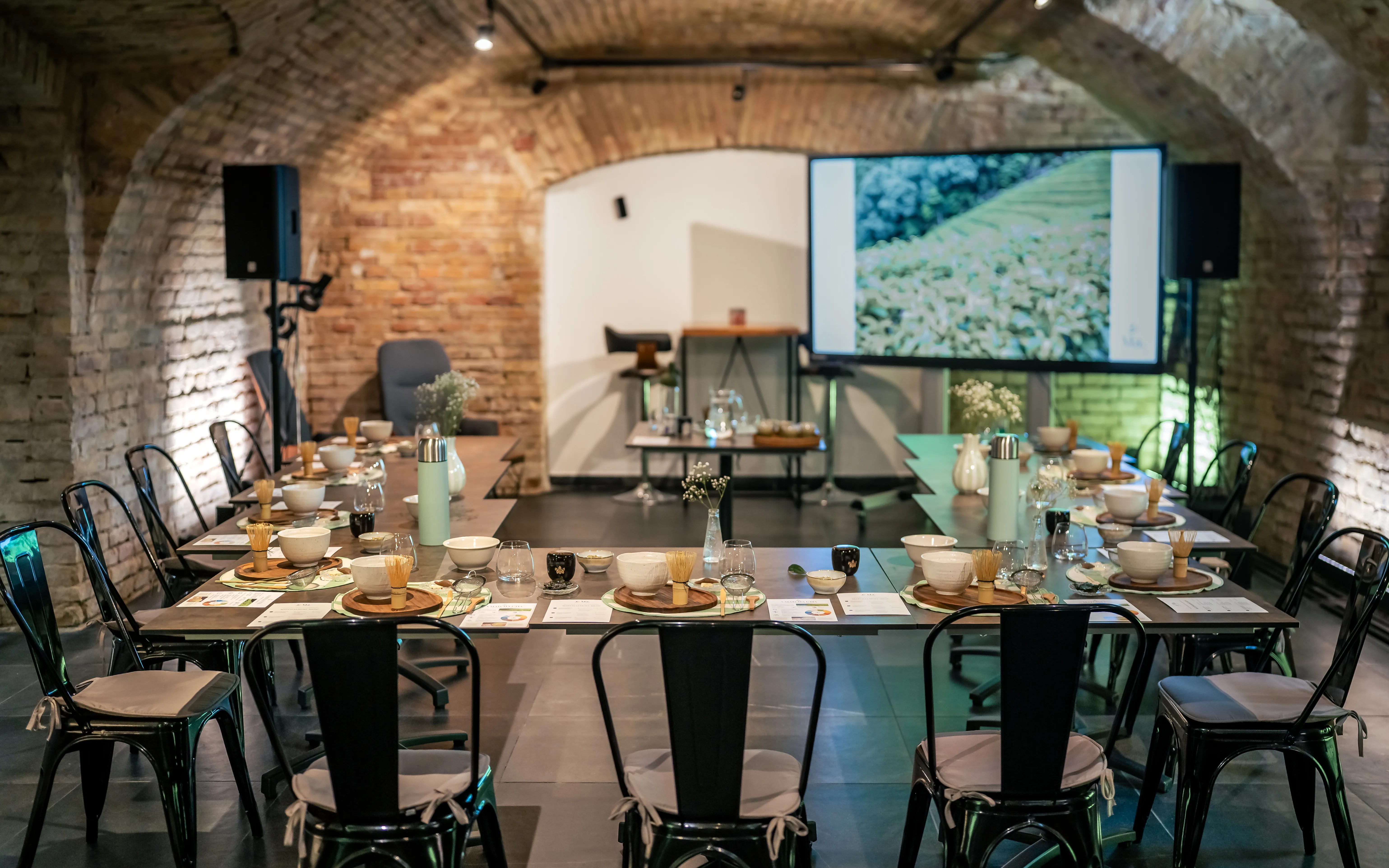
There are ingredients that do not tolerate haste. Matcha is one of them. Guided by tea expert Franciska Nagy (Ma. Matcha & Leaf Room), ten people sat beneath the vaults to adopt, for two hours, the exact rhythm of a single plant: Camellia sinensis.
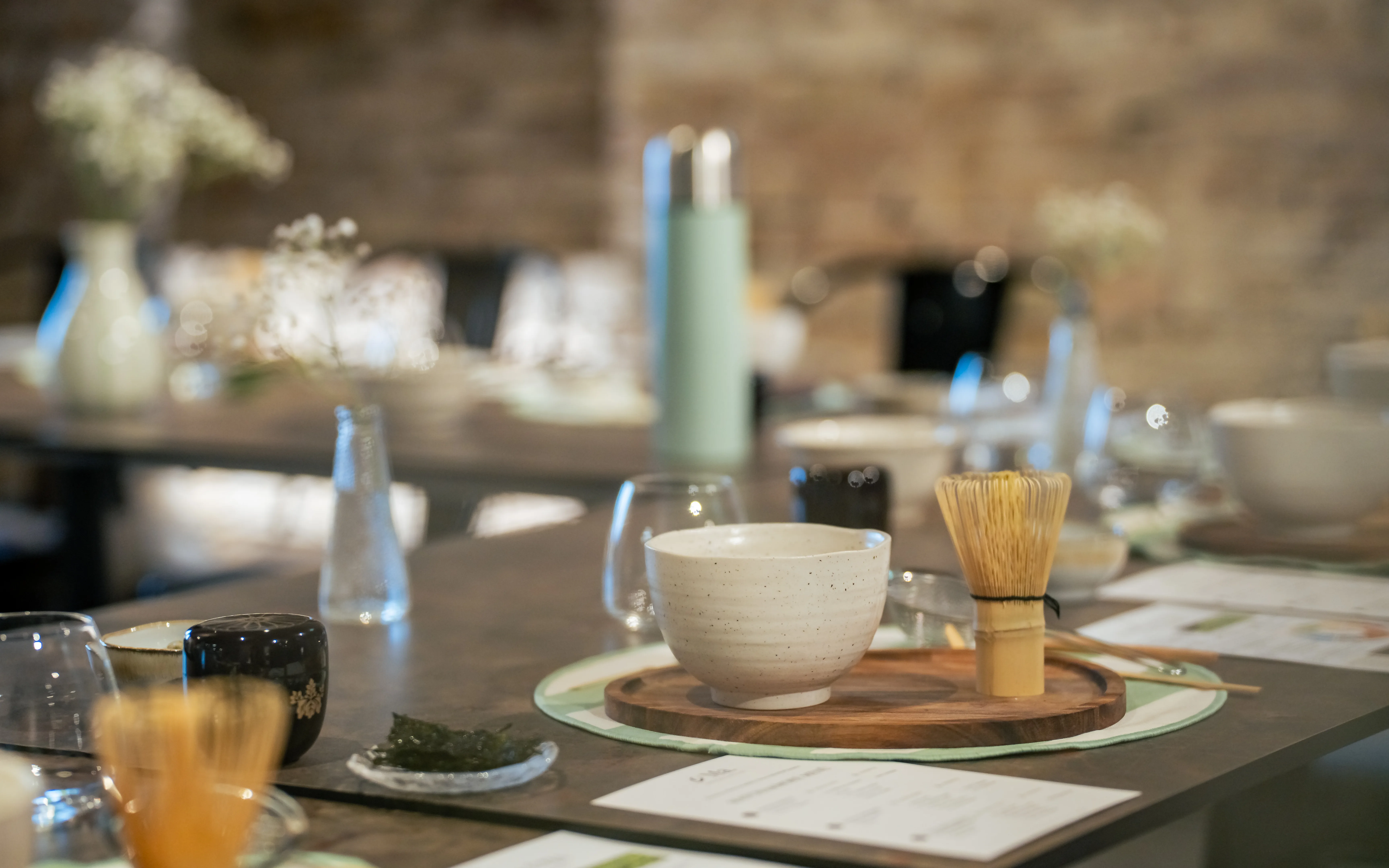
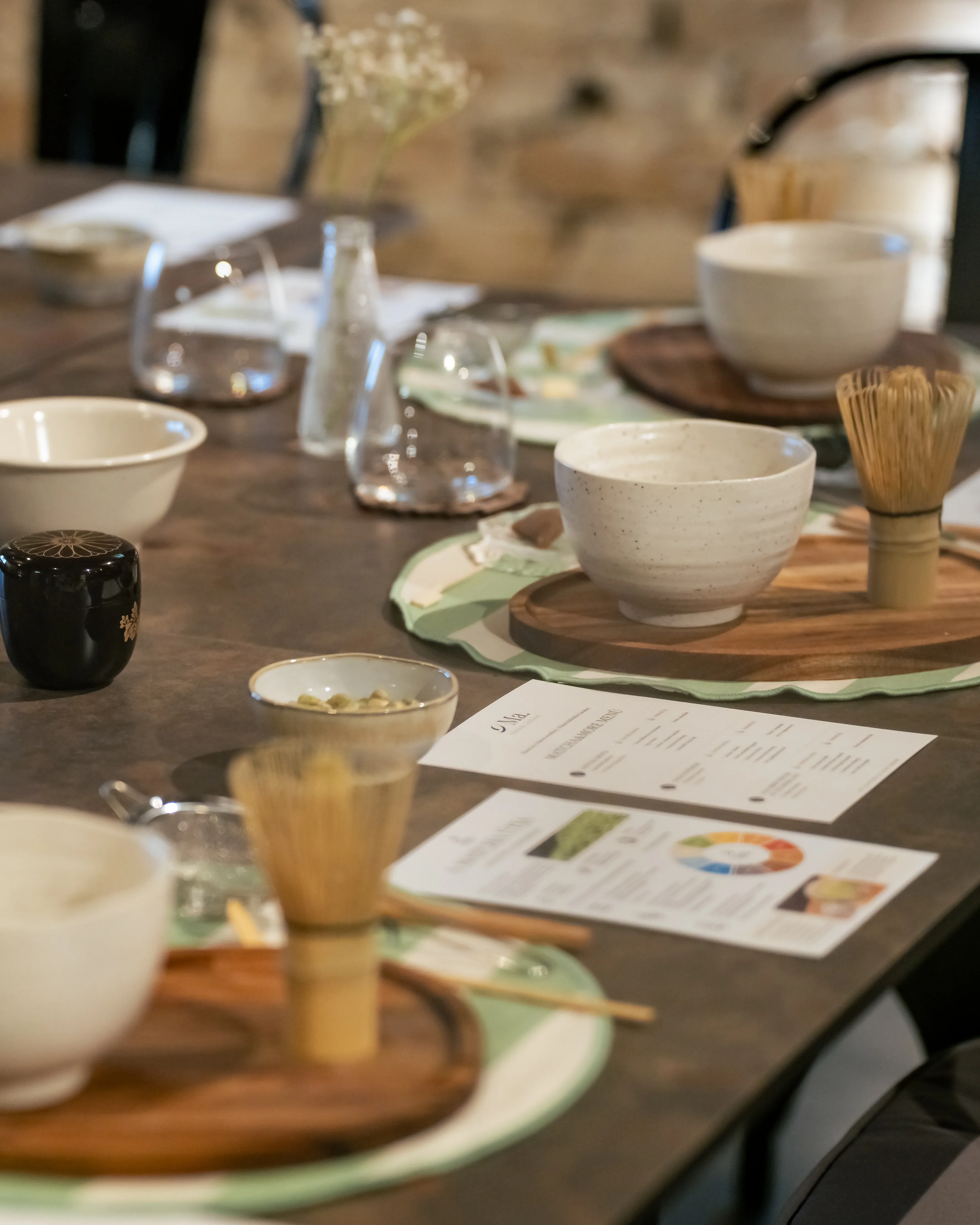
The journey from shrub to cup is more than agriculture or history. Centuries of patience, meticulous shading, and the subtle, hidden layers of Japanese tea varieties came alive in conversation. We came to understand why every deliberate step of processing is essential for the vibrant green powder to finally reveal its true nature.
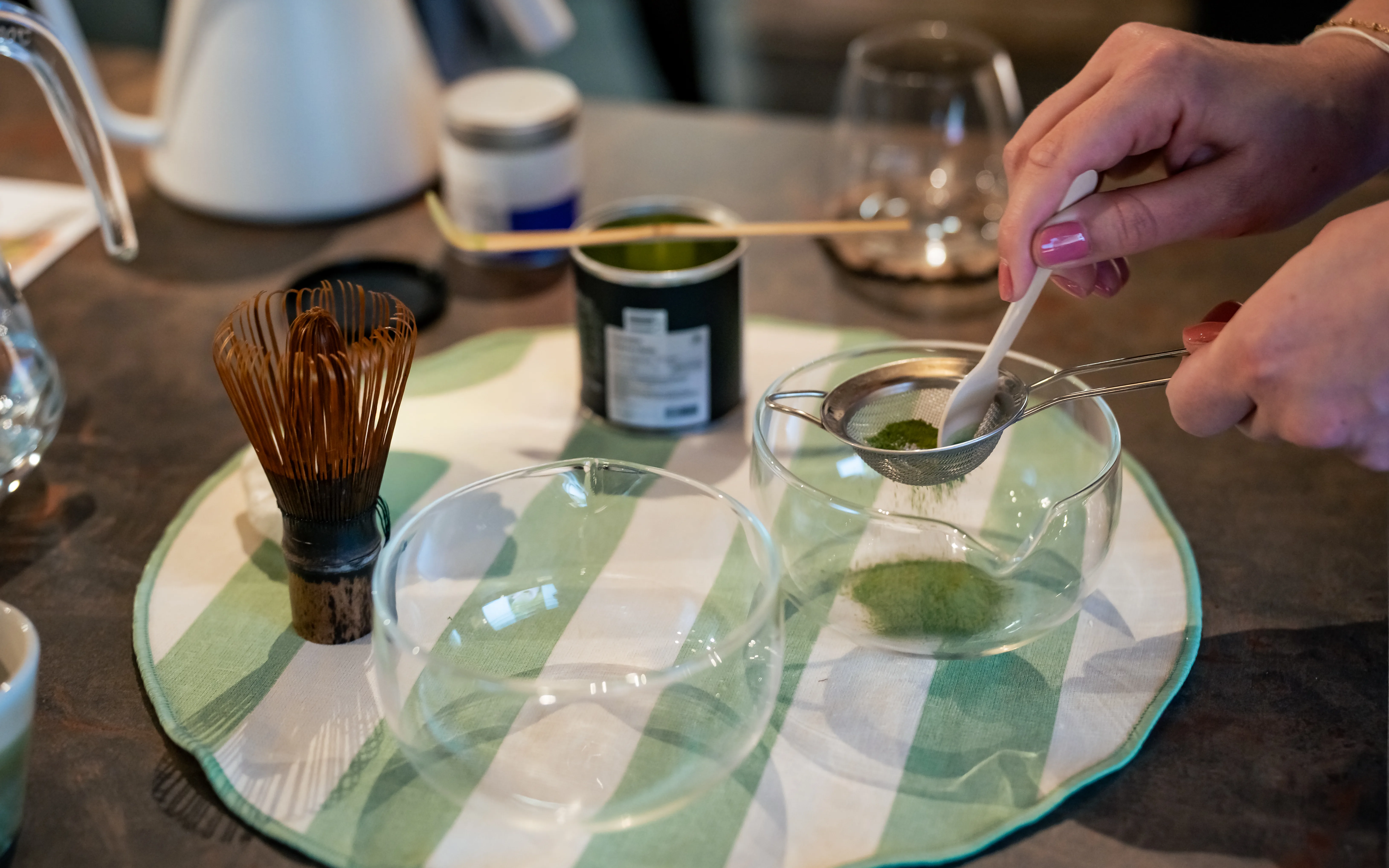
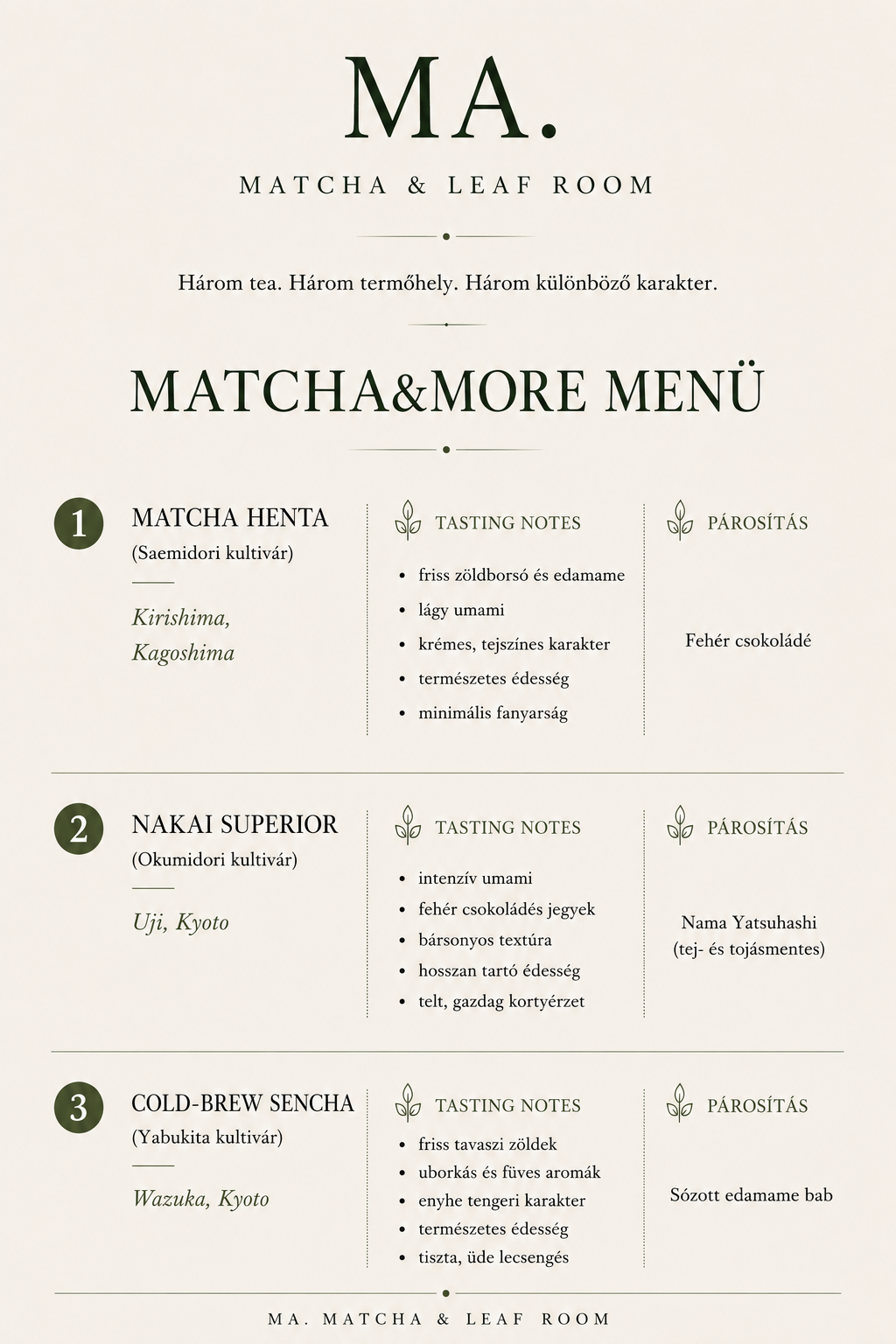
Three teas. Three cultivars. Three different characters — Matcha Henta (Kagoshima), Nakai Superior (Uji, Kyoto), Cold-Brew Sencha (Wazuka, Kyoto).
Yet tea is not a matter of theory. As the bamboo whisks (chasen) began to move in unison within the bowls, the room fell still, alive with an innate openness, and the space found a distinct, shared pulse. Preparing a bowl of ceremonial matcha with one's own hands is not an achievement—it is an exercise in attention and presence.
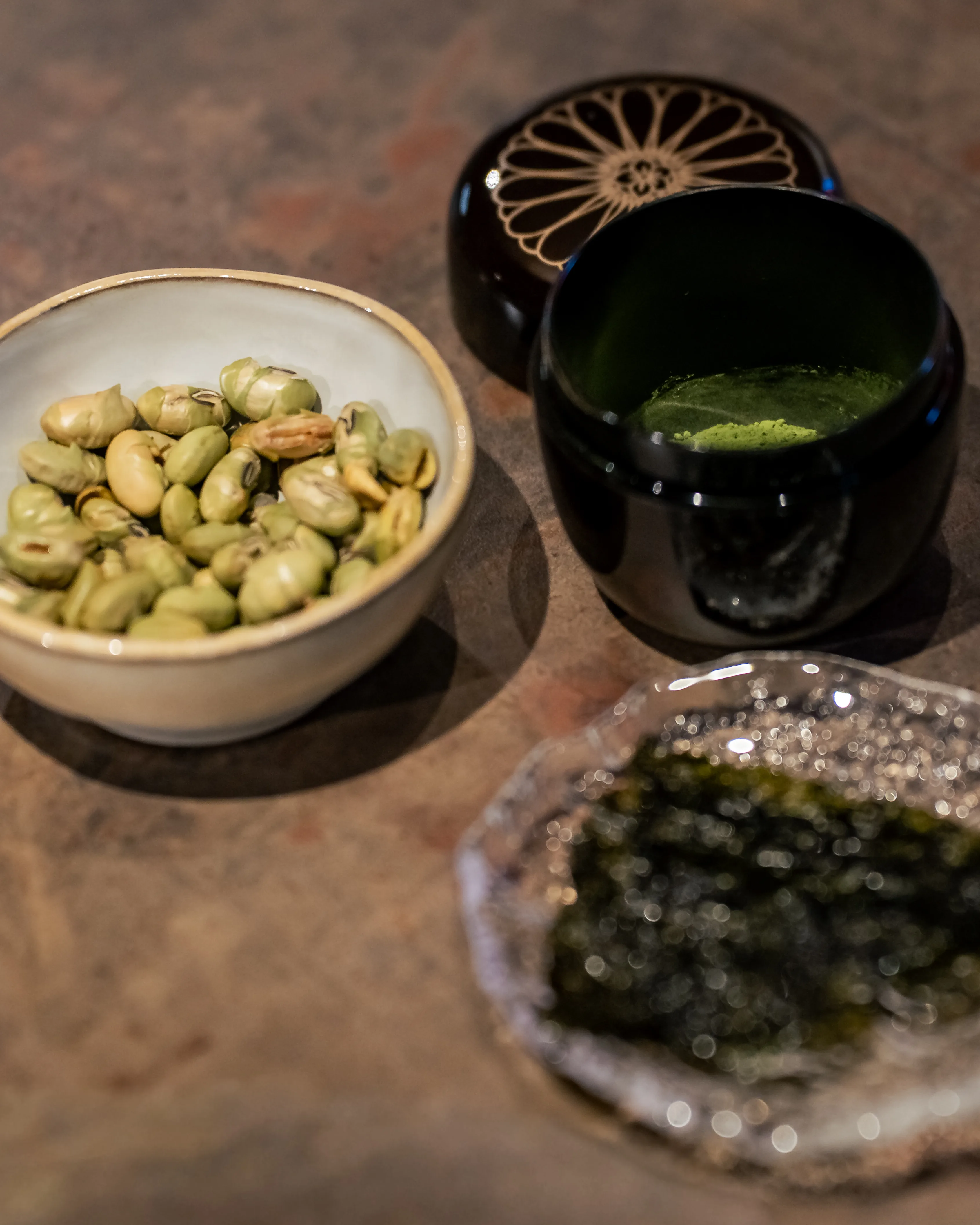
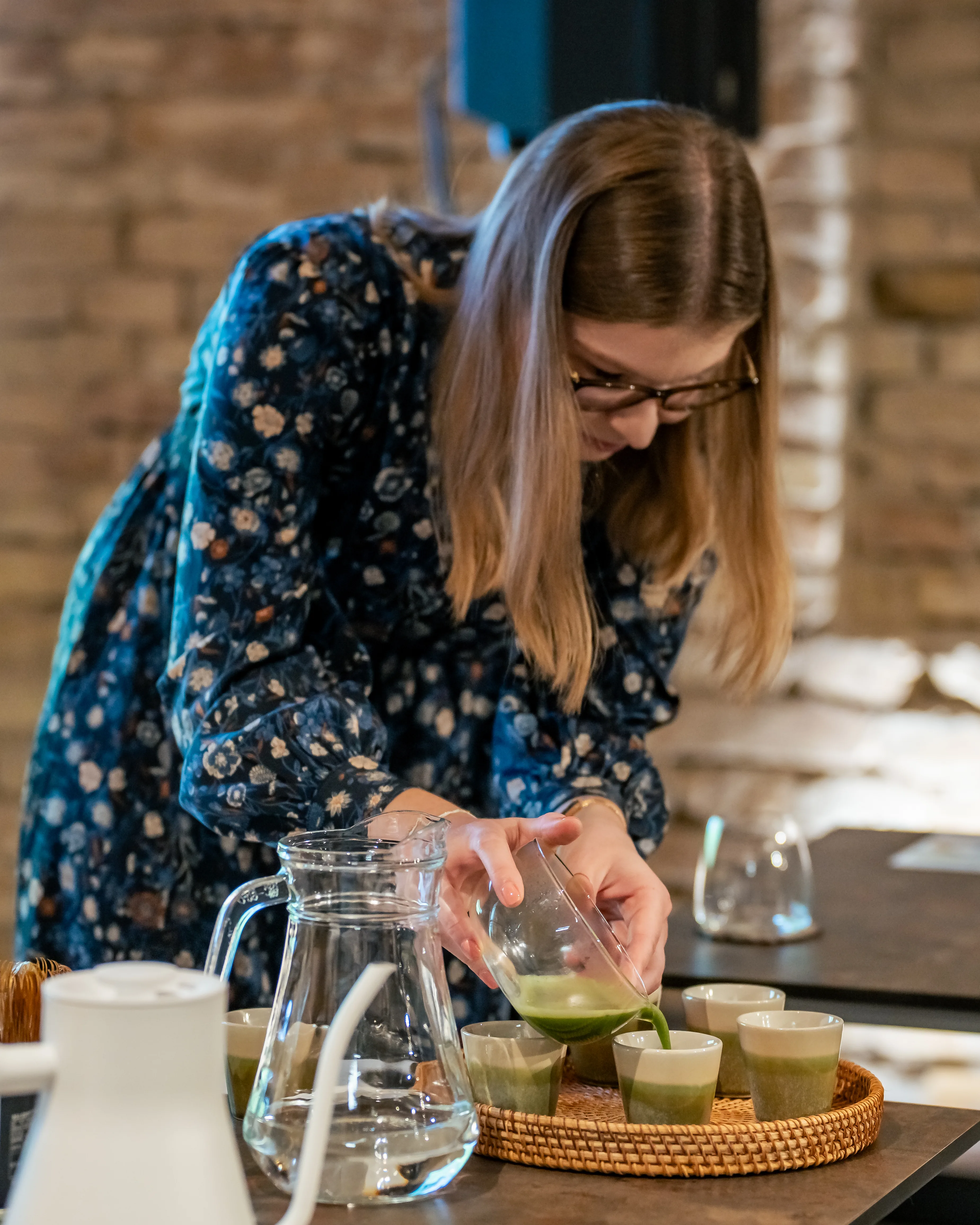
Beneath the dense, emerald froth lay pure umami: the true, uncompromising character of the drink, complemented by a traditional Japanese sweet. The bowls are now empty, but the movements were carried home. The logic of pairings and the subtleties of preservation exist to ensure that this ritual attention can be integrated into the fabric of daily life.
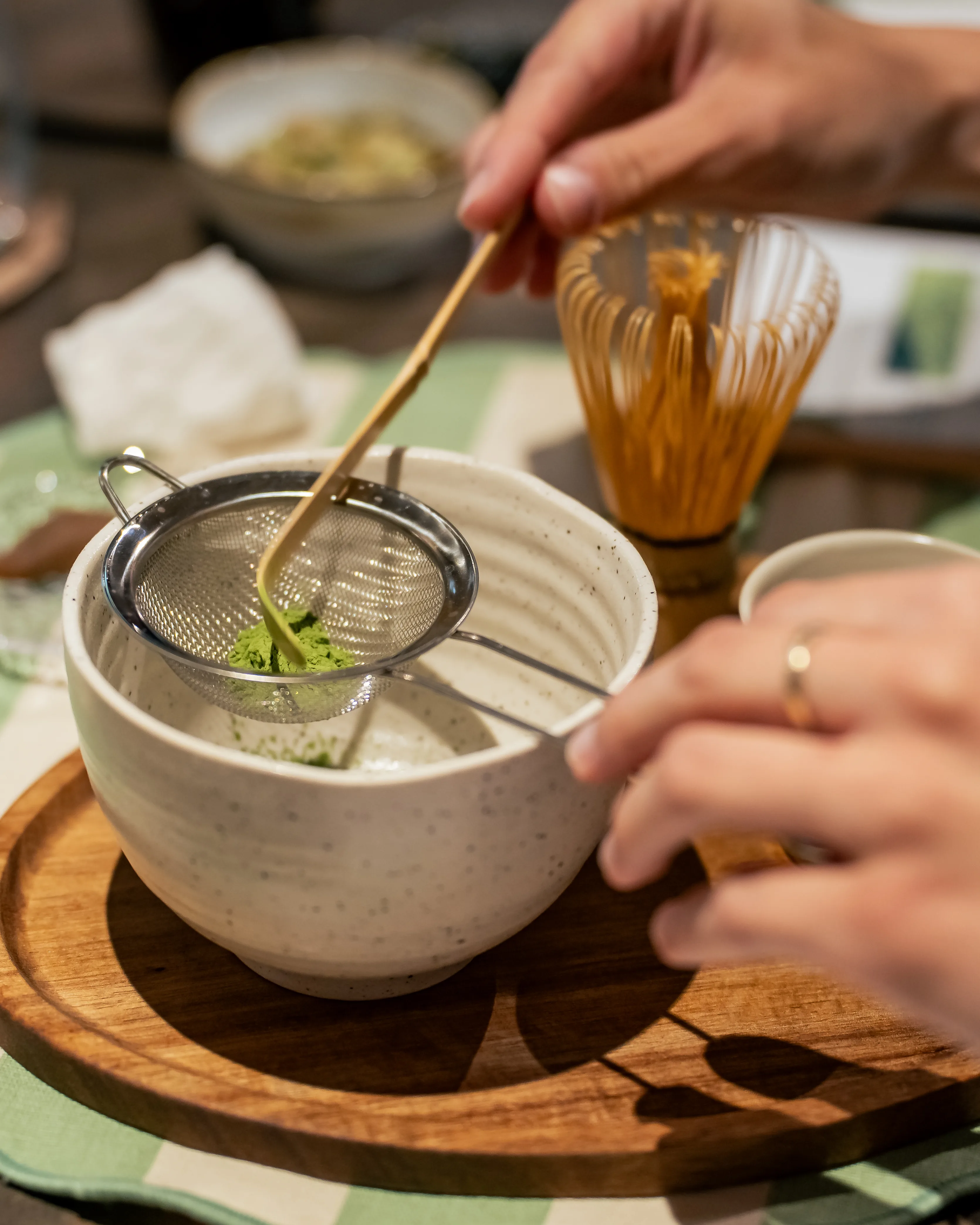
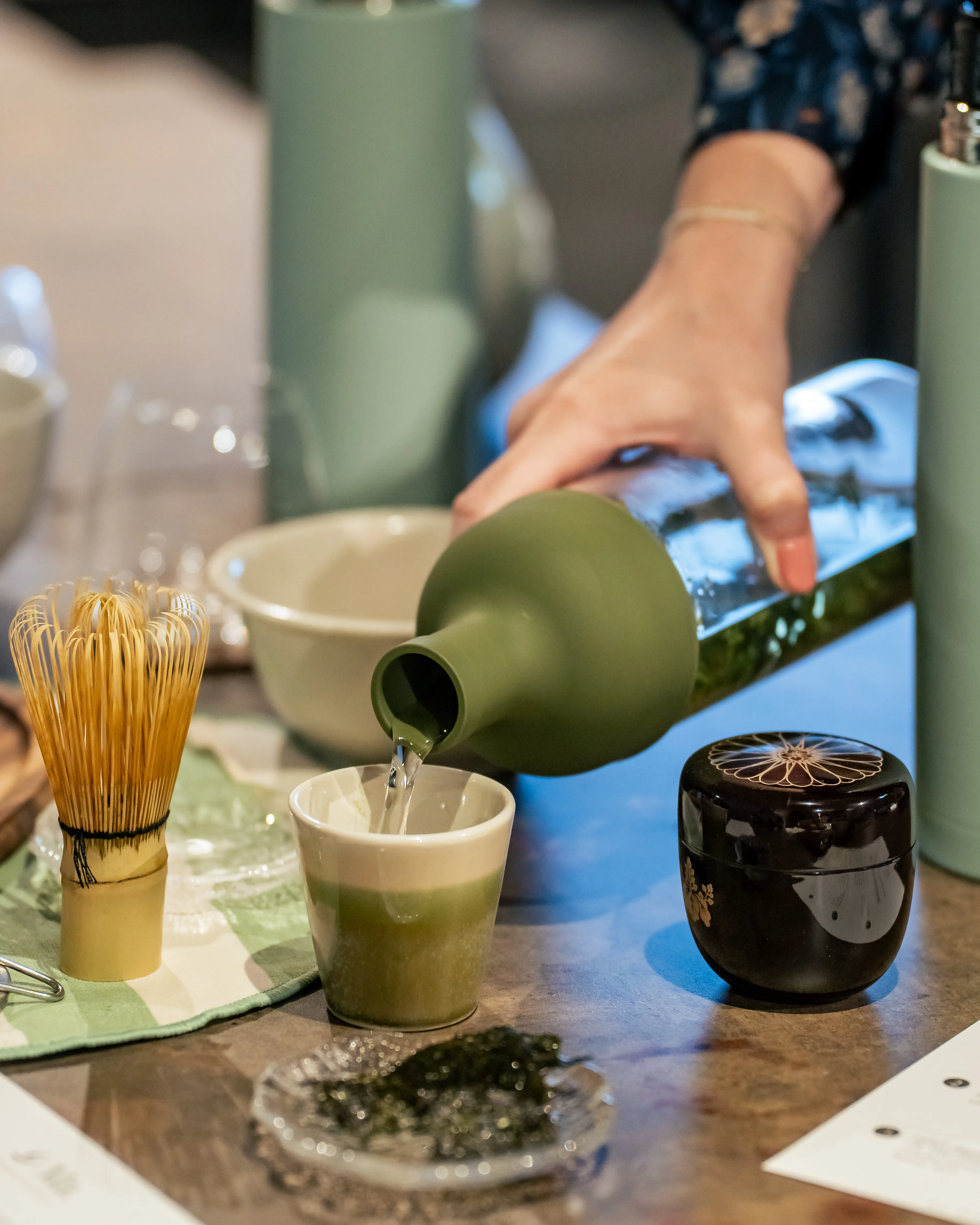
This private gathering was not a performance. It was a shared stillness among ten people—a moment where material, time, and attention converged at a single point. This was a beginning; these workshops will return to a regular rhythm starting this autumn.